
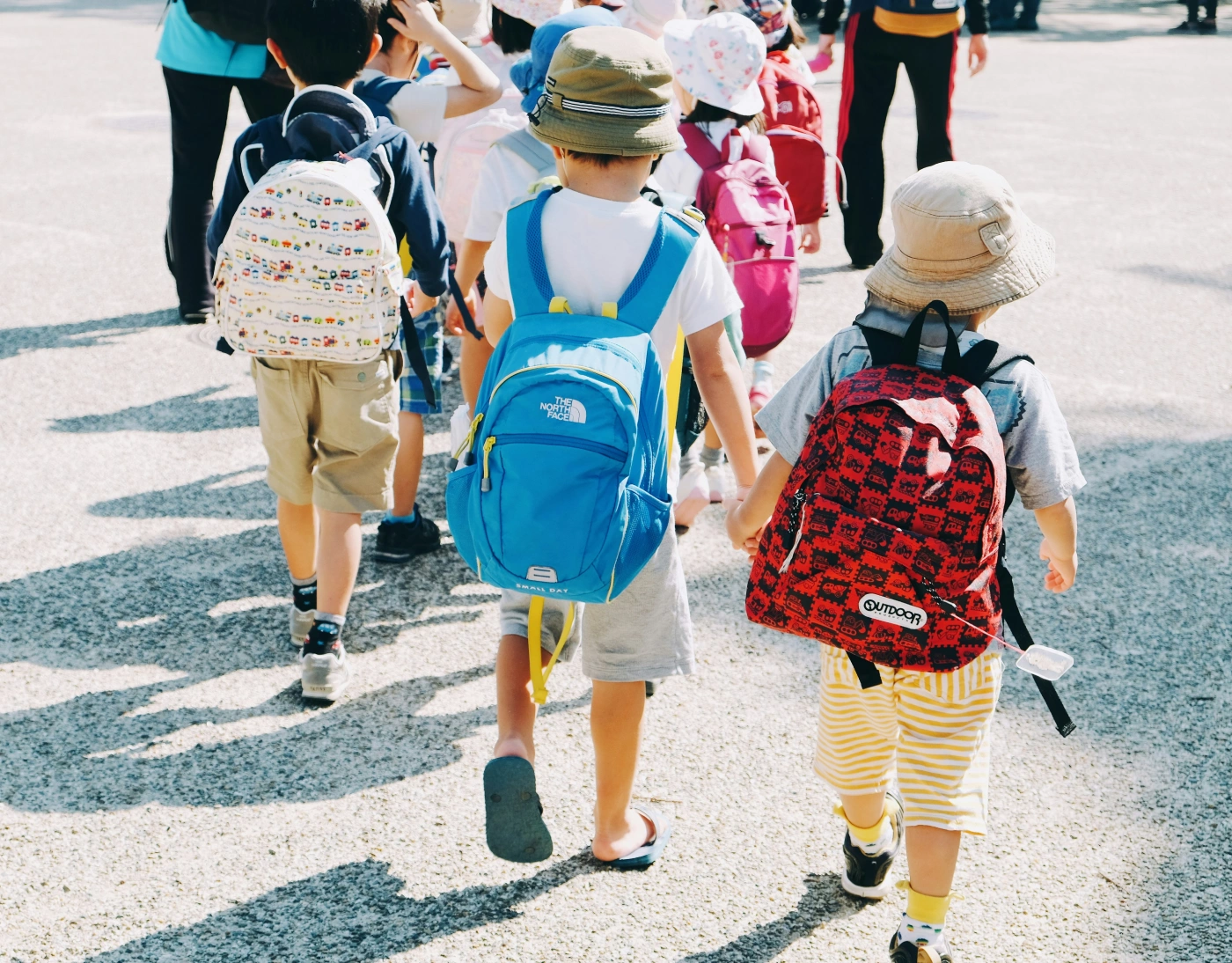
The night before a child’s first day at preschool, most parents find themselves staring at an empty bag wondering whether they have forgotten something important. It is a surprisingly stressful moment for what is, on the surface, a simple task. The bag needs to be practical, not too heavy, and contain everything the child will need across a full session, without including so much that they cannot find anything in it.
Whether your child is joining a pre school in Bangalore for the first time or transitioning to a new programme, this checklist covers everything worth packing, what to leave at home, and a few tips that make the daily routine easier for both parents and teachers.
The Essentials: What Every Preschool Bag Needs
1. A Named, Right-Sized Bag
The bag itself matters more than parents often realise. A bag that is too large is hard for small children to carry and tends to become disorganised. One that is too small creates a daily puzzle of fitting everything in. A medium-sized backpack with wide, padded straps and a few separate compartments is the most practical choice for a three to five year old.
Label the bag clearly on the outside with the child’s full name and the class or section. Labels on the inside alone get missed when staff are managing multiple bags quickly. Iron-on or sewn labels hold up better than sticker types, which tend to peel within a few weeks.
2. Food: Snack Box, Lunch Box, and Water Bottle
Most preschool sessions include at least one snack time and, for full-day programmes, a lunch break. Send food in clearly labelled, leakproof containers that the child can open and close independently. This is worth testing at home before the first day. A child who cannot open their own container needs a teacher’s help, which is fine occasionally but becomes disruptive if it happens every session.
Pack foods the child already enjoys and eats reliably at home. Preschool mealtimes are not the moment to introduce new foods. The goal is that the child eats enough to sustain their energy through the session without needing intervention.
For water bottles, choose a type with a sports-cap or straw opening rather than a screw top. Children at this age manage these more easily, and they are less likely to result in spills during independent drinking breaks.
3. A Full Change of Clothes
This is non-negotiable and should never be skipped, even if your child is fully toilet-trained. Spills, accidents, and enthusiastic art activities happen in preschool every single day. Send a complete set: underwear, top, trousers or a dress, and socks, packed in a labelled zip bag within the main bag.
Choose clothes that the child can manage largely by themselves. Elasticated waistbands, velcro shoes, and simple fastenings make the difference between a child who feels capable during toilet breaks and one who needs constant adult assistance.
4. Hygiene Essentials
Pack a small packet of wet wipes, a travel pack of tissues, and, if the school permits it, a small bottle of hand sanitiser. Some schools have specific guidelines about which sanitiser products are allowed, particularly for children with skin sensitivities, so check the school’s communication before sending one.
If your child is not yet reliably toilet-trained, check with the school what they require. Some programmes ask parents to supply pull-ups or training pants in the bag. Others have their own systems in place for children who are still in the process of toilet training.
Stationery and Learning Supplies
Most preschools provide their own stationery for classroom use and ask parents not to send additional items, as it can cause confusion and comparisons between children. If the school does send a stationery list, follow it precisely rather than upgrading items.
Standard items that might appear on a preschool stationery list include:
- A set of chunky wax crayons
- One or two thick graphite pencils
- A large, child-friendly eraser
- A glue stick
- A pair of blunt-ended safety scissors
Label every single item. In a preschool classroom, identical crayons and pencils are returned to the wrong bags dozens of times a day.
Items That Provide Comfort and Settle Anxiety
The transition to preschool is a significant emotional step for many young children. Some schools actively welcome a small comfort object, a favourite soft toy, a family photograph tucked into a pocket, or a familiar-smelling item like a small scarf, as a tool for managing separation anxiety during the early weeks.
Check with the school before sending a comfort object, as policies vary. If it is allowed, choose something small and durable that the child will not be devastated to lose or have damaged. A laminated photograph of the family is often the best option: meaningful to the child, easy to carry, and not a worry if it gets a bit worn.
The Communication Diary
Most preschools use a small diary or communication book that travels between home and school in the child’s bag. Teachers note how the child’s day went, flag anything the parent needs to know, and record any messages or reminders. Parents respond or note anything relevant from the evening or morning.
Get into the habit of checking this every single evening. It is easy to forget on busy days, but the diary is how small issues are caught early, before they become larger ones. It is also one of the most genuinely useful windows into what your child’s day actually looks like, especially in the early months when children cannot narrate it reliably themselves.
Medication: What to Know
If your child requires any regular medication during school hours, speak to the school before the first day. Most preschools require a signed consent form before administering any medication, including over-the-counter products. Send medication in its original packaging with clear written instructions and the child’s name on the container.
Do not leave medication in the bag without notifying the school. Teachers need to know it is there, what it is for, and under what circumstances it should be given.
What Not to Pack
Knowing what to leave at home is as useful as knowing what to include. The following items are best kept out of the preschool bag:
- Toys from home, unless the school has a designated show-and-tell day
- Jewellery, including clip-on earrings and bracelets, which can be lost or create safety hazards
- Electronic devices, including tablets and children’s phones
- Large amounts of cash
- Snacks that contain common allergens unless the school has confirmed it is safe to do so
Many best preschools in Bangalore operate nut-free or allergen-aware policies. Even if your child does not have an allergy, sending in peanut products or sesame-containing foods can pose a risk to other children in the class. When in doubt, check the school’s food policy before packing anything unfamiliar.
A Quick Reference: The Complete Packing Checklist
The table below summarises everything covered in this guide, organised by category.
Category | What to Pack | Quick Tip |
Food and Drink | Snack box, lunch box, water bottle | Use leakproof containers; pack familiar foods |
Clothing | Full change of clothes in a zip bag | Label every item; choose easy-to-wear clothing |
Hygiene | Wipes, tissues, small hand sanitiser | Check school rules on sanitiser brands |
Stationery | Crayons, pencil, eraser, glue stick | Only what the school list specifies |
Comfort Item | Small soft toy or photo (if school allows) | Keep it small and label it clearly |
Communication | Diary or communication book | Check it daily for notes from teachers |
Health | Doctor-approved medication with clear instructions | Submit a signed consent form to school |
Making the Morning Routine Easier
Once you know what goes in the bag, a consistent packing routine saves time and prevents last-minute stress. Many parents find it easier to pack the bag the night before, leaving only food items to be added in the morning. Keep spare sets of labelled clothing ready so that a bag returned with wet clothes from an accident does not derail the next morning.
Involve the child in packing where possible. A three or four year old who helps put their snack box into their bag is more engaged with the routine and less likely to arrive at school having forgotten it. It also builds the early independence habits that preschool is designed to support.
Key Takeaways
- A right-sized, clearly labelled bag with separate compartments is the practical foundation
- Food should be in leakproof, independently openable containers with familiar, reliable foods
- A full change of labelled clothing in a zip bag is essential, regardless of toilet-training status
- Follow the school’s stationery list exactly and label every item
- Check the school’s policy on comfort objects, allergens, sanitiser, and medication before packing
- Read the communication diary every evening without fail
- Leave toys, electronics, and jewellery at home
Conclusion
A well-packed preschool bag removes one variable from an already big transition. When a child arrives with everything they need, teachers can focus on settling them into the day rather than managing missing items. And when parents know they have covered the essentials, the morning drop-off feels a little calmer for everyone.
If you are still exploring options for your child, the admission team at any top preschool in Bangalore will be happy to walk you through their specific packing requirements and what to expect in the first few weeks. Getting that conversation right from the start makes the whole transition smoother for both parents and children.
Frequently Asked Questions
Q1. What is the right age to start preschool?
Most children start preschool between the ages of two and a half and three years old. The right time depends on the individual child’s readiness, including their ability to manage basic self-care tasks and tolerate brief separations from their primary caregiver.
Q2. How heavy should a preschool bag be?
A packed preschool bag should not exceed 10 percent of the child’s body weight. For most preschoolers, this means keeping the bag under two to three kilograms. If the bag is regularly too heavy, review whether everything in it is actually necessary for that day.
Q3. Should I label my child's belongings?
Yes, without exception. Label every item that goes into the bag, including individual pieces of clothing, the water bottle, the lunch box, and every stationery item. In a busy preschool classroom, unlabelled items are returned to the wrong bags several times a day.
Q4. What food should I pack for a preschool snack?
Choose familiar, nutritious foods that the child reliably eats at home. Good options include fruit pieces, vegetable sticks, cheese cubes, plain crackers, and small sandwiches. Avoid foods that are messy to eat without help, highly processed, or that contain allergens prohibited by the school’s food policy.
Q5. Should I send a comfort object to school?
Check the school’s policy first. Many preschools welcome small comfort objects, particularly in the first few weeks of term, as they help children manage separation anxiety. Choose something small, durable, and not irreplaceable. A laminated family photograph is a reliable option.
Q6. My child is not yet toilet-trained. What should I pack?
Check directly with the school. Some programmes ask parents to supply pull-ups or training pants in the bag. Others manage this within their own resources. Either way, always include a full change of clothing including underwear.
Q7. Can my child bring a toy from home?
Most preschools discourage bringing toys from home to avoid loss, disputes, and distraction during learning activities. Some schools have a designated show-and-tell session where a chosen toy can be brought in. Check the school’s policy before sending anything.
Q8. How do I help my child feel excited rather than anxious about starting preschool?
Involve them in preparation: let them choose their bag, pack their snack box with you, and pick out their change of clothes. Talk positively about what they will do at school, the activities, the new friends, the stories, rather than focusing on the separation. Visiting the school together before the first day also helps significantly.