
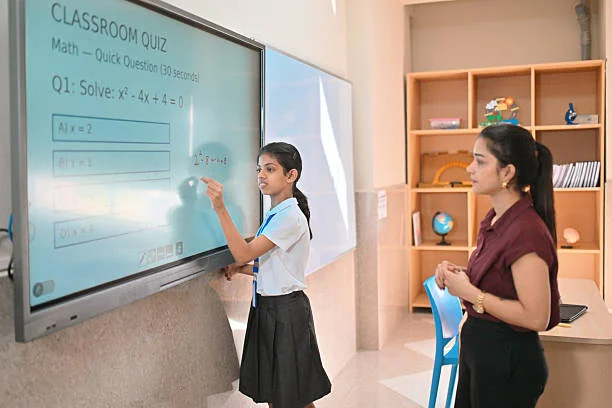
Technology has become an integral part of education, transforming traditional classrooms into dynamic, interactive learning environments. From digital tools to smart classrooms, the integration of technology is reshaping how students learn, collaborate, and develop essential skills for the future.
The role of technology in modern classrooms goes beyond convenience—it enhances engagement, personalizes learning, and prepares students for a rapidly evolving digital world. This article explores how technology is influencing education and why it is essential for today’s learners.
Evolution of Classroom Learning
Traditional teaching methods primarily relied on textbooks, lectures, and written assignments. While effective in many ways, these approaches often limited interaction and personalization.
Modern classrooms, however, leverage technology to:
- Provide interactive learning experiences
- Enable access to global information
- Encourage collaboration and creativity
- Support diverse learning styles
Institutions such as best preschools in Bangalore are increasingly integrating technology at early learning stages to build foundational skills.
Enhancing Student Engagement
One of the most significant advantages of technology in classrooms is increased student engagement.
Interactive Learning Tools
Digital tools such as smart boards, educational apps, and multimedia presentations make lessons more engaging and visually appealing. These tools help students understand complex concepts more effectively.
Gamified Learning
Educational games and quizzes turn learning into an enjoyable activity, motivating students to participate actively.
Multimedia Content
Videos, animations, and simulations provide a deeper understanding of subjects, especially for visual learners.
Personalized Learning Experiences
Every student has a unique learning pace and style. Technology enables personalized learning by:
- Offering adaptive learning platforms
- Providing customized content based on individual progress
- Allowing students to revisit lessons anytime
This flexibility ensures that no student is left behind, making learning more inclusive and effective.
Schools focusing on early childhood education, such as best Montessori schools in Bangalore, often incorporate personalized learning approaches supported by technology.
Improving Collaboration and Communication
Technology fosters better communication and collaboration among students and teachers.
Online Collaboration Tools
Students can work together on projects using shared documents and virtual platforms, even outside the classroom.
Teacher-Student Interaction
Digital platforms enable continuous communication, allowing teachers to provide timely feedback and support.
Parent Involvement
Parents can stay informed about their child’s progress through online portals and communication tools.
Access to Unlimited Learning Resources
Technology provides access to a vast range of educational resources beyond textbooks.
- E-books and online libraries
- Educational videos and tutorials
- Virtual labs and simulations
- Global learning platforms
This access helps students explore subjects in greater depth and develop independent learning habits.
Parents searching for best pre school in Bangalore often prioritize institutions that provide access to diverse learning resources for young learners.
Developing Essential 21st-Century Skills
The role of technology in modern classrooms extends to skill development.
Critical Thinking and Problem-Solving
Interactive tools and digital platforms encourage students to analyze, evaluate, and solve problems.
Digital Literacy
Students become familiar with technology, preparing them for future academic and professional environments.
Creativity and Innovation
Technology allows students to create presentations, videos, and projects, fostering creativity.
Supporting Early Childhood Education
Technology, when used appropriately, can enhance early learning experiences.
In pre school in Bangalore settings, technology is used to:
- Introduce basic concepts through interactive visuals
- Develop cognitive and motor skills
- Encourage curiosity and exploration
However, it is essential to balance screen time with hands-on activities to ensure holistic development.
Role of Teachers in a Tech-Enabled Classroom
Technology does not replace teachers; instead, it empowers them.
Teachers can:
- Use digital tools to enhance lesson delivery
- Track student progress effectively
- Provide personalized guidance
- Create engaging and interactive learning experiences
The teacher’s role evolves from information provider to facilitator and mentor.
Challenges of Technology Integration
While technology offers numerous benefits, it also presents challenges:
- Overdependence on digital devices
- Screen time management
- Need for proper training for educators
- Ensuring equal access to technology
Addressing these challenges is essential to maximize the benefits of technology in education.
Balancing Technology and Traditional Learning
An effective classroom combines technology with traditional teaching methods.
Best Practices
- Use technology as a supplement, not a replacement
- Encourage hands-on learning activities
- Promote face-to-face interaction
- Maintain a structured learning environment
This balanced approach ensures comprehensive development.
Future of Technology in Education
The future of education will continue to be shaped by technological advancements such as:
- Artificial Intelligence (AI) in learning
- Virtual and Augmented Reality
- Smart classrooms and digital campuses
- Data-driven personalized education
These innovations will further enhance the role of technology in modern classrooms, making learning more efficient and accessible.
Conclusion
The role of technology in modern classrooms is transformative, enabling interactive learning, personalized education, and skill development. By integrating technology effectively, schools can create engaging and inclusive learning environments that prepare students for future challenges.
However, the key lies in maintaining a balance—leveraging technology to enhance education while preserving the value of traditional teaching methods. With the right approach, technology can be a powerful tool in shaping well-rounded, future-ready learners.
FAQs
1. What is the role of technology in modern classrooms?
Technology enhances learning by improving engagement, enabling personalized education, and providing access to diverse resources.
2. How does technology benefit students?
It helps improve understanding, encourages collaboration, and develops essential skills such as critical thinking and digital literacy.
3. Can technology replace teachers?
No, technology supports teachers by enhancing their teaching methods but does not replace their role.
4. Is technology suitable for young children?
Yes, when used appropriately, it can support early learning, but it should be balanced with physical and interactive activities.
5. What are the challenges of using technology in classrooms?
Challenges include screen time management, access to devices, and the need for proper training for educators.