
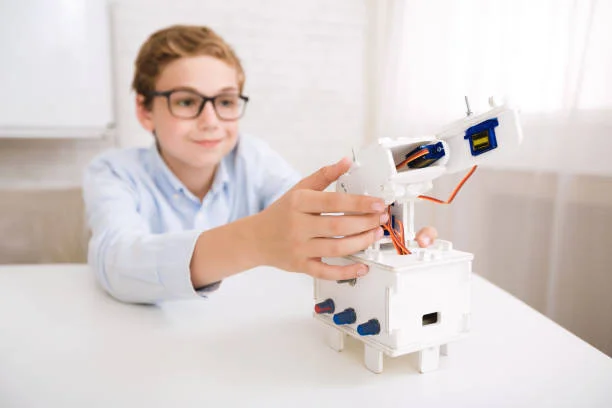
Children are naturally curious, and science is one of the best ways to nurture that curiosity from an early age. Well-designed hands-on activities encourage kids to ask questions, explore how things work, and think critically. This is where science project ideas play an important role. They transform learning into a fun, interactive experience while helping children build problem-solving skills and creativity.
For parents, science projects are not just school assignments; they are opportunities to spend quality time with children while supporting their intellectual development. Whether your child is in preschool or primary school, age-appropriate projects can make science enjoyable and meaningful.
Why Science Projects Are Important for Kids
Science projects go beyond textbooks. They encourage children to observe, experiment, and draw conclusions on their own.
Some key benefits include:
- Developing curiosity and creativity
- Improving observation and analytical skills
- Encouraging independent thinking
- Building confidence through hands-on success
- Making abstract concepts easier to understand
Introducing science project ideas early helps children develop a strong foundation in scientific thinking, which supports future academic learning.
Choosing the Right Science Project for Your Child
Not all projects suit every age group. Parents should select projects that match their child’s developmental stage and interests.
Factors Parents Should Consider
- Age and learning level of the child
- Safety and supervision requirements
- Availability of materials at home
- Time needed to complete the project
- Learning outcomes and concepts involved
Parents whose children attend structured early-learning environments, such as the best preschools in bangalore, often notice how guided activities help children enjoy exploration without feeling overwhelmed.
Simple Science Project Ideas for Preschoolers
Young children learn best through sensory experiences. These projects focus on observation and basic cause-and-effect relationships.
1. Color Mixing Experiment
Teach children how primary colors combine to form new colors using water and food coloring.
What children learn:
- Color recognition
- Observation skills
- Cause and effect
2. Floating and Sinking Objects
Collect household items and test which float or sink in water.
What children learn:
- Basic properties of objects
- Early scientific prediction skills
3. Growing Seeds in Cotton
A classic project that shows how plants grow over time.
What children learn:
- Responsibility
- Patience
- Basics of plant life
Introducing such science project ideas helps preschoolers build confidence in exploring their surroundings.
Fun Science Project Ideas for Primary School Kids
As children grow, their ability to understand concepts improves. Projects can now involve simple explanations and results.
1. Volcano Eruption Model
Using baking soda and vinegar to simulate a volcanic eruption.
Learning outcome:
- Chemical reactions
- Observation of reactions
2. Water Filtration Project
Build a simple filter using sand, gravel, and cotton.
Learning outcome:
- Environmental awareness
- Understanding purification
3. Shadow Tracking
Track shadows at different times of the day.
Learning outcome:
- Earth and sun movement
- Time awareness
Children studying in activity-rich environments like the best preschools in Anekal are often encouraged to connect these experiments to everyday life, making learning more meaningful.
Creative Science Project Ideas Using Everyday Materials
Science doesn’t always require fancy equipment. Many effective projects use items already available at home.
Everyday Items You Can Use
- Plastic bottles
- Paper cups
- Balloons
- Rubber bands
- Ice cubes
- Mirrors
Example Projects
- Balloon-powered car
- Ice melting race
- Simple sound vibration experiment
These science project ideas show children that learning can happen anywhere, not just in classrooms.
How Science Projects Improve Problem-Solving Skills
When children experiment, things don’t always go as planned. This teaches them resilience and critical thinking.
Science projects help children:
- Identify problems
- Test different solutions
- Learn from mistakes
- Improve decision-making skills
Parents who actively guide their children through these experiences help them develop confidence and persistence—skills essential for long-term success.
Making Science Projects a Family Activity
Science projects become even more impactful when families participate together. Parents don’t need to be experts; curiosity and encouragement are enough.
Tips for Parents
- Ask open-ended questions
- Encourage children to explain what they observe
- Avoid giving direct answers immediately
- Praise effort, not just results
Family involvement strengthens the learning experience and helps children associate education with positive emotions.
Role of Early Education in Encouraging Scientific Thinking
Early exposure to science shapes how children view learning. Schools that emphasize hands-on exploration help children develop curiosity naturally.
For example, environments like the best montessori schools in Bellandur focus on experiential learning, where children explore concepts at their own pace. This approach builds independence and love for discovery—qualities that support science learning later in life.
Tips to Present Science Projects Successfully
Presentation is as important as experimentation, especially for school assignments.
Simple Presentation Tips
- Use clear headings and drawings
- Explain the purpose of the experiment
- Describe the steps in simple language
- Share observations and results
- Encourage questions
Helping children communicate their findings improves both confidence and communication skills.
Safety Guidelines for Science Projects
Safety should always come first, especially for younger children.
Basic Safety Rules
- Always supervise experiments
- Avoid sharp or hazardous materials
- Use child-safe tools
- Explain safety rules clearly
Safe exploration ensures children enjoy science project ideas without unnecessary risks.
Conclusion
Introducing children to science project ideas at an early age nurtures curiosity, creativity, and critical thinking. These projects transform learning into an enjoyable experience and help children understand the world around them in a hands-on way. With the right guidance from parents and age-appropriate activities, science becomes less about memorization and more about discovery. By encouraging experimentation, asking questions, and celebrating curiosity, parents can lay the foundation for lifelong learning and confidence.
FAQs
1. Why are science projects important for kids?
Science projects help children develop curiosity, problem-solving skills, and a deeper understanding of concepts through hands-on learning.
2. How can parents support science projects at home?
Parents can guide experiments, ask questions, and encourage children to explore without fear of mistakes.
3. What age is best to start science projects?
Children can start simple science project ideas as early as preschool with age-appropriate activities.
4. Do science projects need expensive materials?
No, many effective projects use everyday household items.
5. How often should kids do science projects?
Regular exposure—once or twice a month—is enough to build interest and confidence without pressure.